
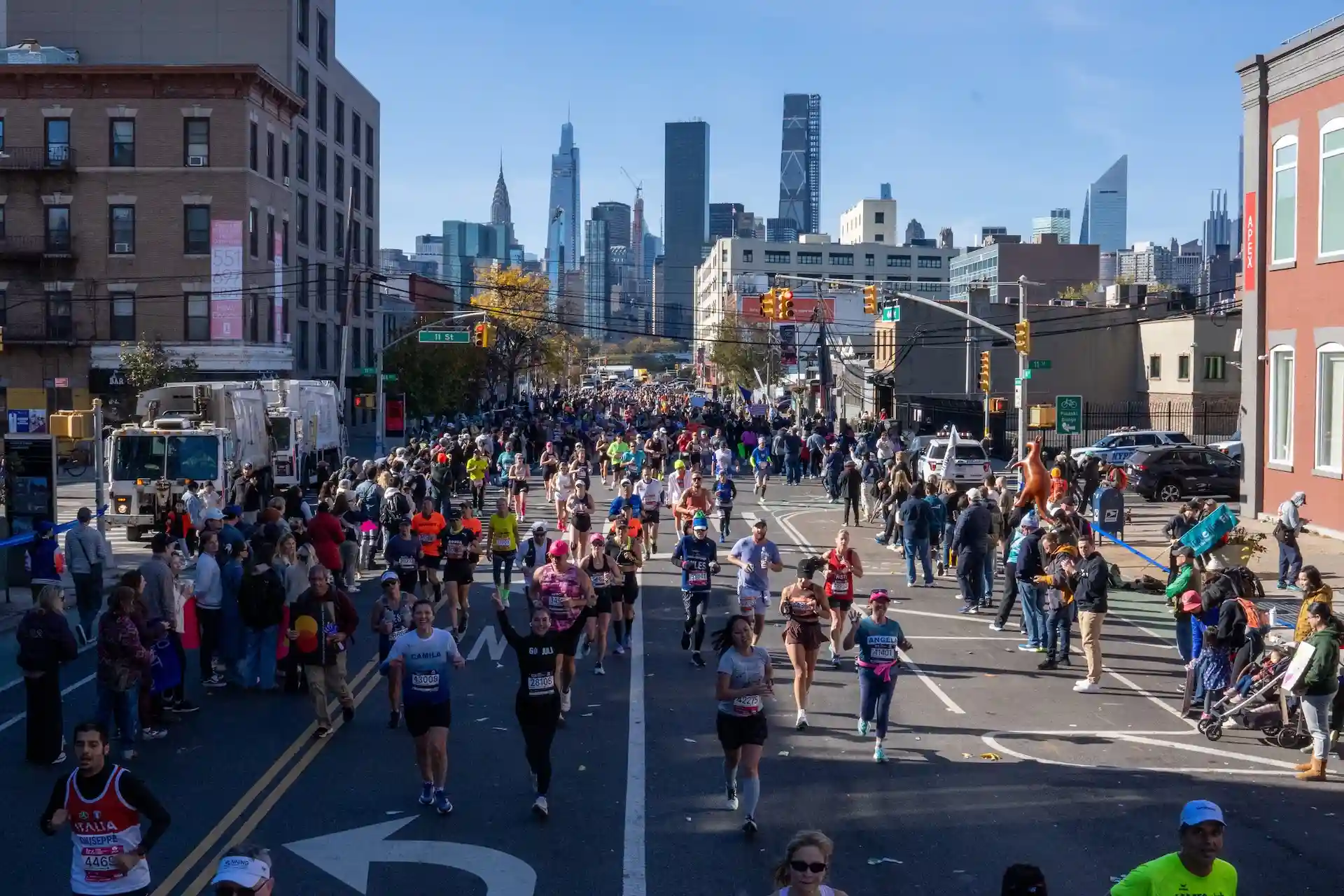
The official standard for entering the NYC Marathon by time in the men's 35-39 category is 2:55:00.
This year, a runner with 2:34:32 didn't come in. Another one with 2:39:48, too. The actual cut ended up being 22 minutes and 52 seconds below the published standard.
In other words: the time that NYRR announces on its website does not serve to plan anything, it has become a mere decorative number.
A standard that is not a standard
The system works like this: NYRR publishes minimum times by age category and sex. Those who surpass them can apply for a place by time. So far, reasonable.
The problem is that the places available in this way are limited and when there are more requests than places, an additional cut is applied that is not announced anywhere. That cut is discovered later, when the rejection notifications have already arrived.
This year the cut was the most demanding in the history of the event, as they say in the Reddit thread where runners from all over the country share their results. The numbers are hard to process: a 37-year-old runner with 2:36 rejected with 19 minutes margin over the standard; a 30-year-old woman with 2:55:12 rejected with 18 minutes margin. Another runner with 2:31:20 who does not enter.
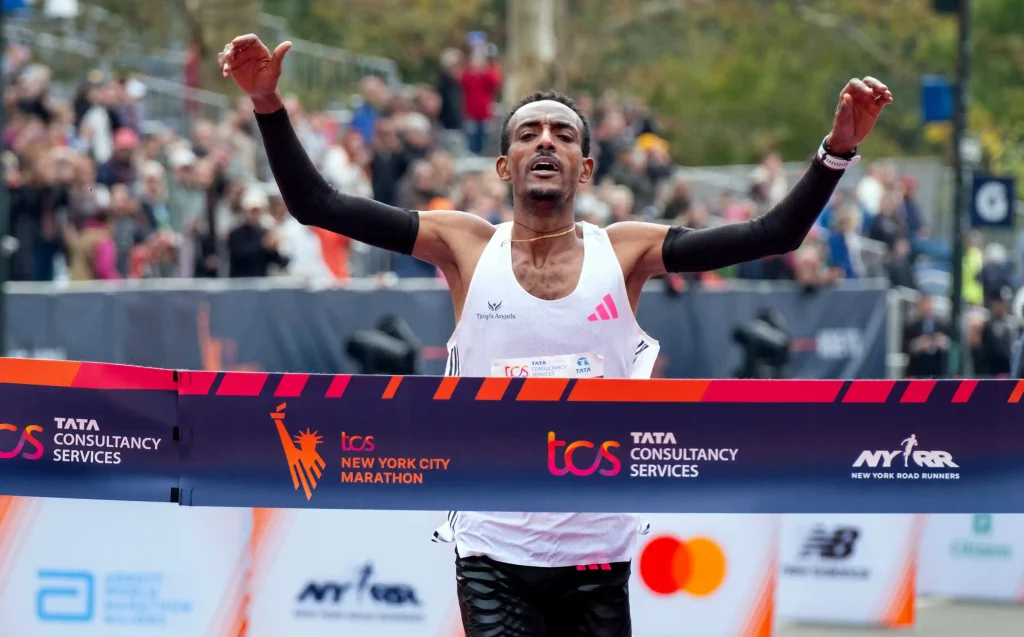
It must be recognized that the cut is not random. Neither capricious. It responds to a growing competition for a number of places that does not grow at the same rate as demand.
Each year there are more fast runners applying for time entry, and each year the margin needed increases. What was enough in 2022, is no longer enough in 2026.
The official standard has not been updated to reflect this reality for years, generating an expectation that the system systematically disappoints.
The business has shifted to the corridor
Time is not the only way in, far from it. NYRR offers a guaranteed spot to those who complete nine races of the circuit and volunteer in one, the 9+1 system.
Also to those who raise money for their charitable causes. And there is a premium membership that gives priority access to the registration of those nine races, which sell out in minutes when they open to the general public.
Running fast is, in practice, one of the least efficient ways to guarantee yourself a race number. One thread runner puts it bluntly: It's entirely your fault for thinking that training and running fast would give you a place instead of doing reels and TikToks.

The data that concentrates the most anger in the thread is this: 14,000 of the runners of the 2025 New York Marathon arrived through tour operators. To put it in context: one in four.
And the tour operators are quite a business: NYRR sells those bibs to companies that sell them in packages with a hotel and flight above $4,000.
A 2:34 runner who lives in New York doesn't come in. Someone with $4,000 and a desire to sightsee, yes.
Last year NYRR added another chapter: several influencers came out in the race ahead of the elite athletes. Images of runners taking selfies as Kipchoge passed between them circulated for days.
For runners who have been trying to get in for years, it was no surprise. It was confirmation of something they already knew.

Do you have a solution?
A priori, it looks bad, because powerful gentleman is don money. But there are options. In the thread there is a proposal that generates agreement: follow the Boston model. Eliminate the lottery, establish real and transparent cuts, keep the charity bibs but separate from the general quota.
You have to keep in mind that Boston has its own problems, but whoever meets the standard knows pretty well whether they're going in or not. In New York, a 2:34 runner doesn't know it until he gets rejected.
NYRR and the BAA, the Boston Athletic Association - organizers of the event - operate differently. Boston has built its identity on performance for decades.
NYRR, however, manages hundreds of careers a year, funds community programs with those revenues, and has built a model where access is deliberately expanded beyond time. That this model has reached this point is the logical consequence of their own decisions.
There is an observation in the thread that points further: if more fast runners migrate to the trail fleeing this system, in five years the ultra will have the same problems that the marathon has today.
It is already happening in races such as Western States or UTMB, where demand has been overflowing the supply for years and lottery access generates the same frustration that New York generates today.
Let's face it: the massification of long-distance running has exceeded the capacity of the big events, and none has yet found a way to manage it that does not anger someone.