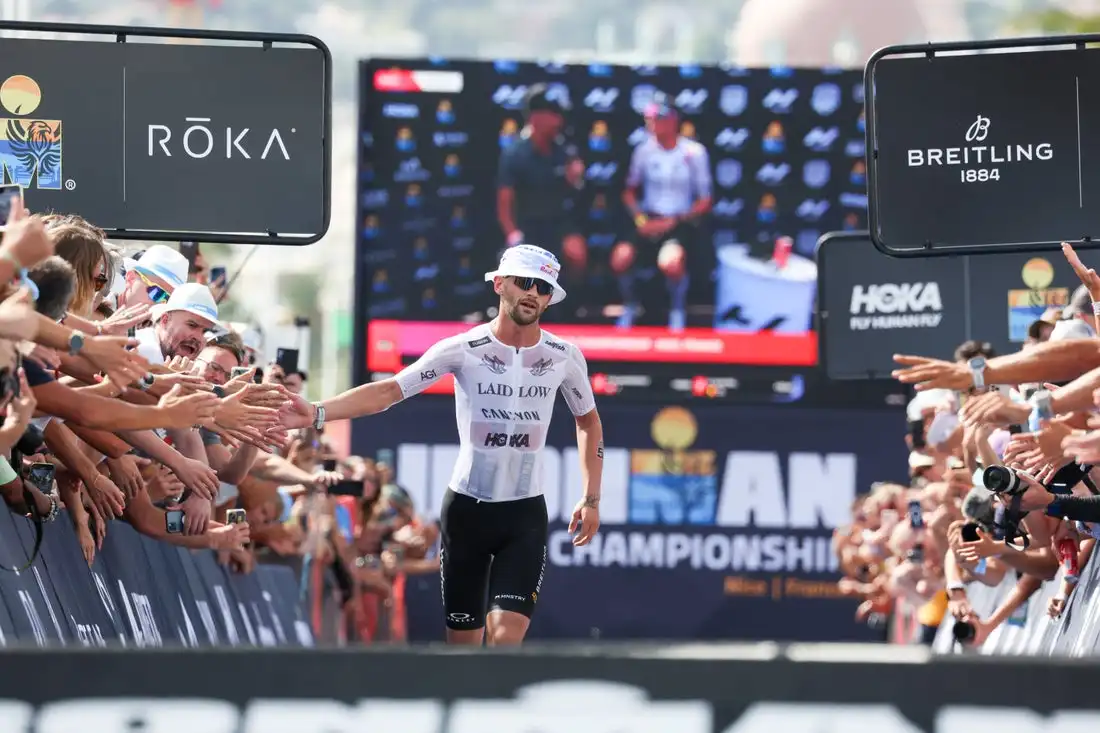
Professional triathlon looks in the mirror again. Sam Laidlow has launched this morning on social networks a proposal that goes directly to the heart of sport: to make public the Therapeutic Use Authorizations, known as TUEs, and open a debate on their use within the professional circuit and the supposed laxity with which they are granted.
The Frenchman, long-distance world champion now three years ago, reacted to a report by the ITA, the International Testing Agency, which detailed the number of TUEs awarded per sport. “It made me feel sad, angry, and confused,” he wrote, before asking other professionals to join a full transparency initiative.
“To my fellow professionals who believe in clean sport, let's join forces and make TUEs public,” he said. The idea is simple: that the athletes themselves say whether or not they have these medical authorizations, and that the debate leaves the field of suspicion.
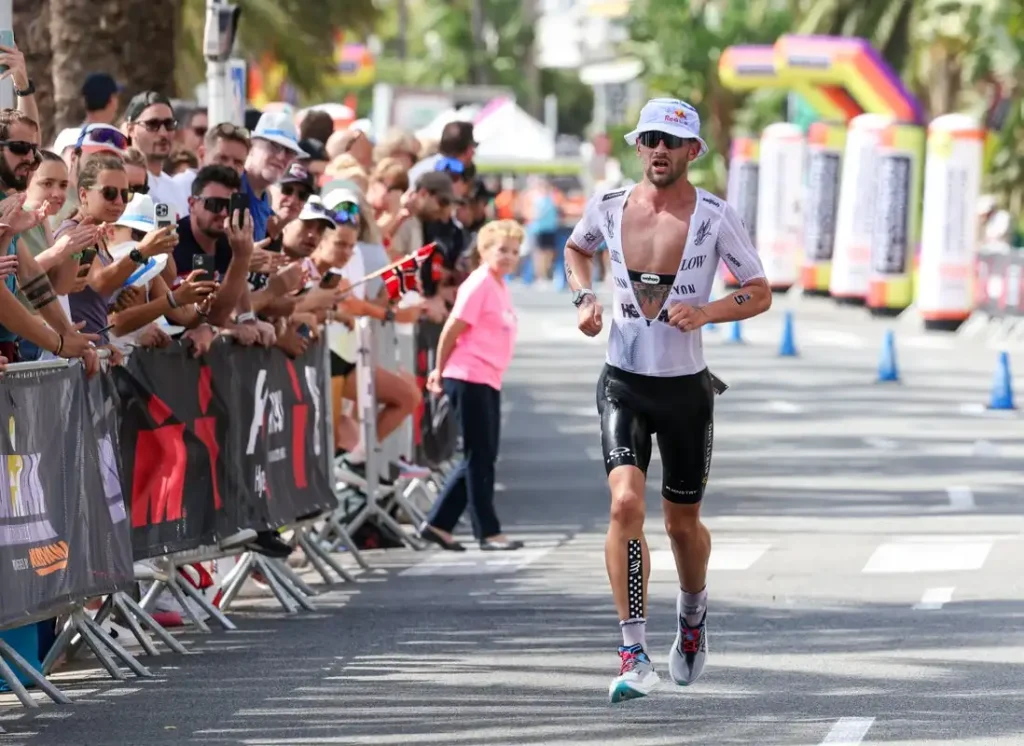
Its publication soon went viral. Just an hour after publishing her story - at seven in the morning, Spanish time - Laidlow began to receive private responses from other top athletes.
Among the names that appear in his inbox are figures Kilian Jornet, Richie Porte, Josh Amberger or Jake Birtwhistle, in addition to Jelle Geens, double IRONMAN 70.3 World Champion, who responds with a direct "Whatever you need".
"If you are a professional and want to make a change, let's get together and sign something," the Frenchman insisted in a third story, making it clear that the conversation is already underway.
What are they and what are they used for?
TUEs allow an athlete to use prohibited substances or methods when there is an accredited medical justification. Four conditions must be met to grant them: clinical diagnosis, absence of artificial performance improvement, absence of alternatives and that the need does not derive from prior unauthorized use.
The system protects the athlete's health, but also introduces an opaque area. The medical information is confidential and, although the anti-doping agencies monitor each case, the rest of the competitors do not have access to that data. Laidlow's proposal breaks that balance by shifting responsibility directly to athletes.
Five years ago there was a similar movement with doping testing
The closest precedent is 2020. Figures such as Jan Frodeno and Cameron Wurf supported an initiative to make their anti-doping controls public after several suspicions in the long distance. They were joined by Sebastian Kienle, Lionel Sanders and Tim O'Donnell, among many others.
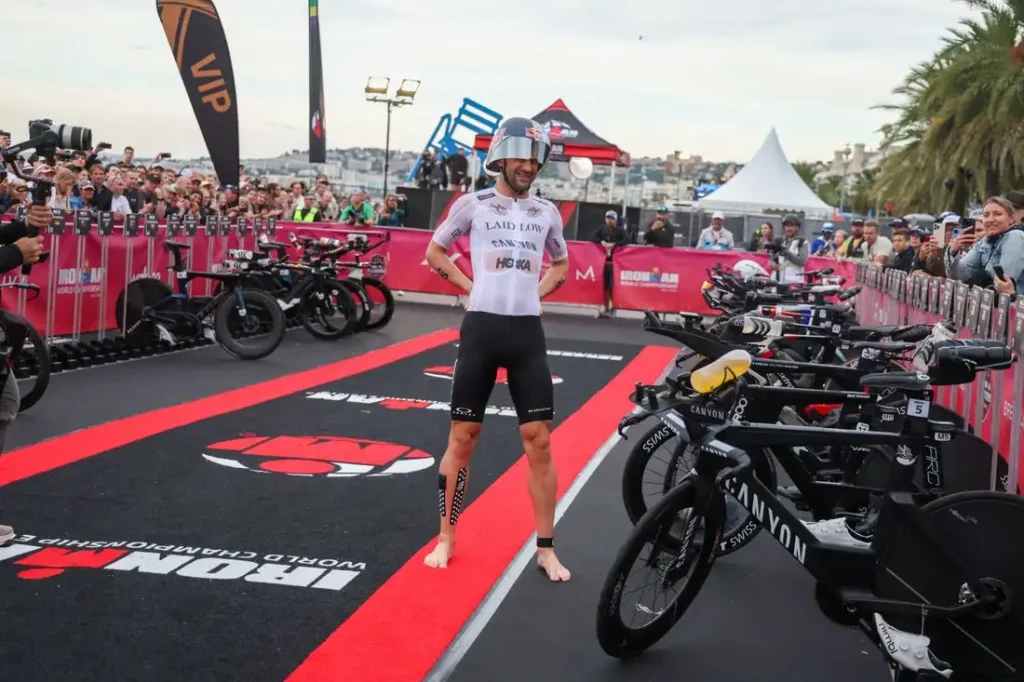
The difference is that then there was talk of frequency of controls and now the focus is on exceptions: TUEs are legal, regulated and meet strict medical criteria, but their existence generates debate in a sport where equal conditions are a basic principle.
The scenario that opens is not simple. If a relevant group of professionals decides to make their TUEs or even their biological passports public, the pressure on the rest will be immediate.
Failure to do so could be interpreted as a signal, even if there is no irregularity, shifting the debate from the normative to the reputational terrain.