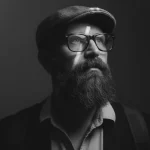
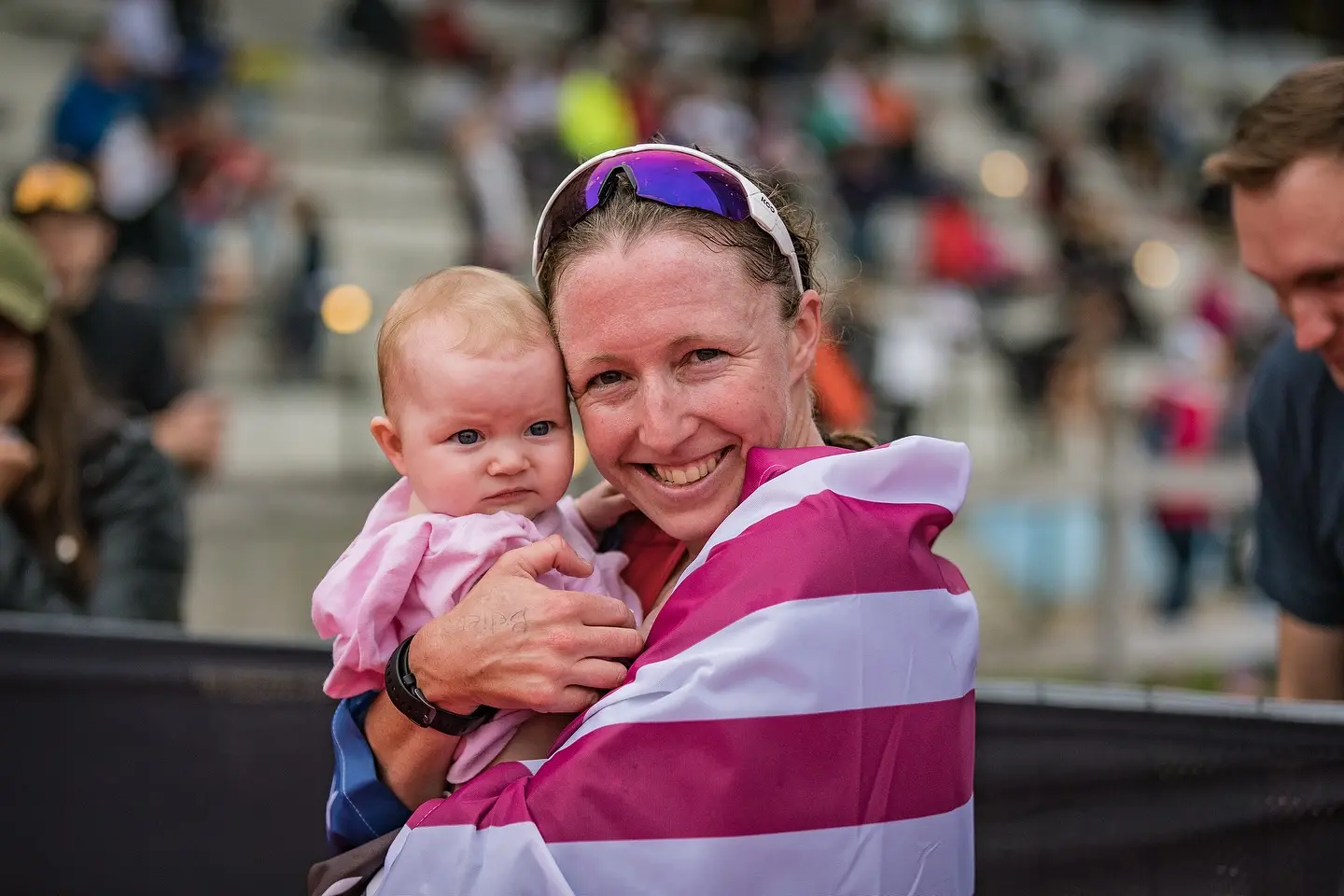
Jocelyn McCauley replied to Sam Laidlow in a few hours. The American triathlete questions the proposal to make TUEs public with a nuance built from her own experience: her application is the only TUE denied in professional triathlon in the last four years, and that changes her stance on transparency.
Laidlow had proposed that athletes make their authorizations public to reduce suspicion about their use. However, McCauley points out an angle that this proposal does not contemplate: publishing TUEs can reveal intimate medical information unrelated to doping.
The McCauley Case
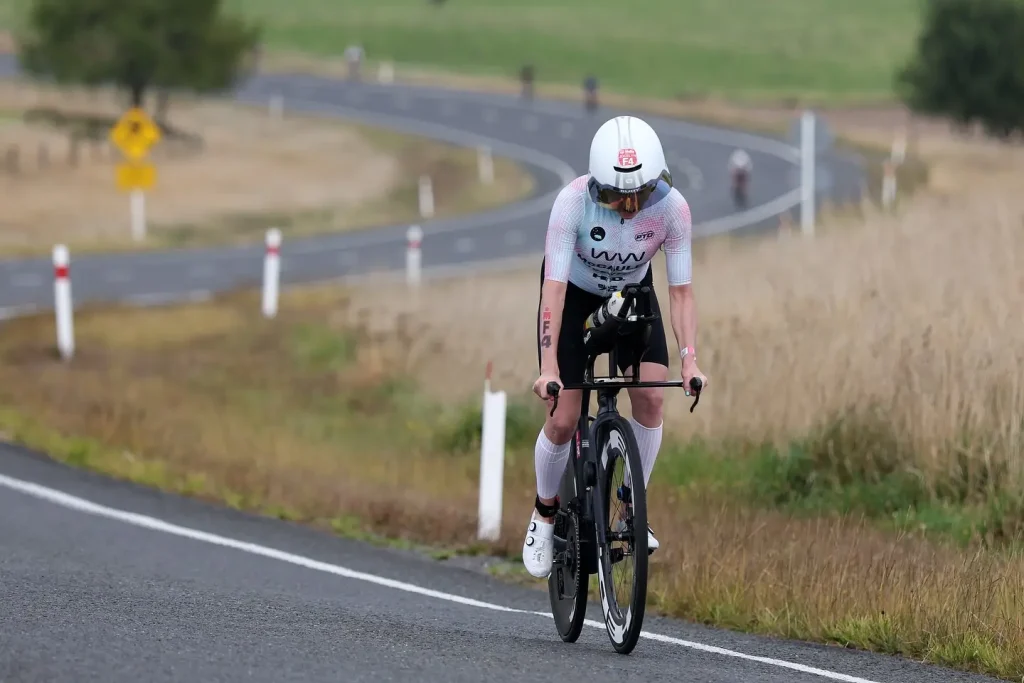
McCauley, who was in the PTO Top20 until 2022 and was seventh in the IRONMAN World Championship last year, first explains what a Tue is. “For those who don't know what a Tue is, it's a therapeutic use authorization,” he says. “As professional athletes, we can't take certain substances, and if we need them for medical reasons, we have to apply for this authorization.” Until recently, I agreed with Laidlow: I defended
That changed when he had to go through the process. McCauley and her partner had been trying unsuccessfully to get pregnant for more than a year.
He consulted fertility specialists and combined conventional treatments with more holistic approaches. One of those doctors proposed a pharmacological treatment included in the list of prohibited substances.
It was the first time I had applied for a TEU. “I've never applied for one before,” he acknowledges. "And I had a hard time deciding to do it."
The process includes medical reports from both partners, clinical test results, and formal justification from the responsible physician. The national anti-doping agency reviews all that with several specialists before resolving.
The agency denied the request. “It was denied,” he summarizes. “It's interesting because, in triathlon, there's been only one Tue denied in the last four years or so, and that was me.” Less than 5% of the applications are rejected, and the only case in that period corresponded to a fertility treatment.
Privacy vs. Transparency
That result changed his stance: “I used to want TUEs to be public,” he acknowledges. “But after going through this, I'm not a big proponent of that idea anymore.”
The argument is concrete: posting the requested medication may reveal personal health information without any link to the sporting advantage.
In his case, whoever knew the drug could deduce that he was trying to get pregnant. “It can reveal that someone is trying to have a child,” she says. “I don't think that should be out there,” he says.
McCauley agrees that the TUEs system needs oversight. What he questions is whether confidentiality protects only possible competitive advantages: it protects the athlete's personal life. Laidlow's proposal transfers responsibility to each athlete, and those who do not publish may be under suspicion for it.
Close with a direct comparison. “It's interesting that fertility treatments don't get approved,” she says, “when I've seen clearances for testosterone, growth hormone, and other things.”
It does not assess these cases, although the difference between a denial for fertility and authorizations for testosterone or HGH is difficult to leave unanswered.
From there, the question that remains at the center of the debate is concrete: whether making TUEs public increases trust in the system or reveals medical information that should remain private.